
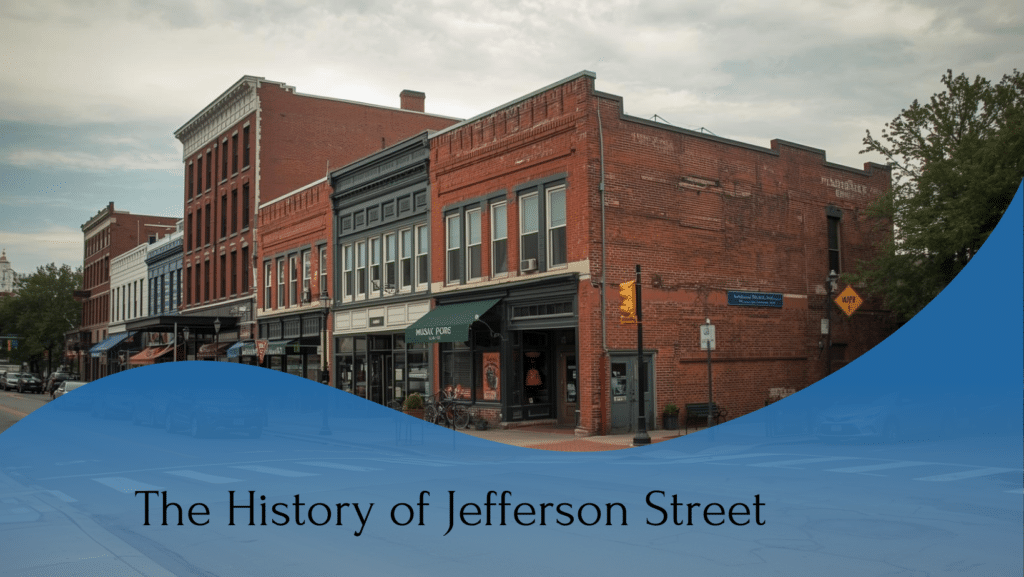
When people think of Nashville’s music history, they often picture Music Row studios or neon-lit honky tonks on Broadway. But long before those places became household names, Jefferson Street was the beating heart of Nashville’s music scene — especially for Black artists who shaped American music as we know it today.
Often referred to as Nashville’s original Music Row, Jefferson Street holds a powerful and influential place in the city’s cultural story. For travelers seeking a deeper, more authentic understanding of Music City, this historic corridor offers insight into the roots of rhythm, soul, and resilience that still echo throughout Nashville today.
Jefferson Street: Where the Sound Was Born
Located just northwest of downtown, Jefferson Street flourished from the 1940s through the 1970s as a hub for Black-owned businesses, music venues, and nightlife. During segregation, Jefferson Street became a safe haven where Black musicians could perform, gather, and innovate freely.
Legendary artists such as Ray Charles, Etta James, B.B. King, Little Richard, and Jimi Hendrix played Jefferson Street venues early in their careers. The music spilling from clubs along this strip blended blues, jazz, R&B, gospel, and early rock ’n’ roll — sounds that would go on to influence generations of musicians across genres.
Unlike today’s polished studio system, Jefferson Street’s music scene was raw, communal, and electric. Artists tested new sounds night after night, audiences responded in real time, and the city’s cultural identity grew from the ground up.
Iconic Venues That Shaped Music History
Jefferson Street was once lined with legendary venues like Club Baron, New Era Club, and Black Diamond Club. These were more than music halls — they were cultural institutions. Performers didn’t just pass through; they stayed, collaborated, and connected with the community.
At its peak, Jefferson Street rivaled Beale Street in Memphis and Harlem in New York as one of the most important Black entertainment districts in the country. Touring musicians traveling between Chicago, New Orleans, and the Deep South often made Jefferson Street a required stop.
This era helped cement Nashville’s reputation as a serious music city long before country music dominated the narrative.
The Impact of Change and Loss
Like many historic Black neighborhoods across the United States, Jefferson Street faced devastating change with the construction of Interstate 40 in the late 1960s. The highway cut directly through the heart of the community, displacing residents, shuttering businesses, and silencing many venues that once thrived.
While Music Row continued to grow just miles away, Jefferson Street’s contributions were largely left out of mainstream Nashville history for decades. But the music never truly disappeared it lived on through stories, recordings, and the artists who carried its influence forward.
The Jefferson Street Sound Museum: Preserving the Legacy
Today, that legacy is finally being honored through the Jefferson Street Sound Museum, a powerful new space dedicated to preserving and celebrating Nashville’s Black music history.
The museum highlights artists, venues, and entrepreneurs who made Jefferson Street legendary, featuring photographs, memorabilia, oral histories, and interactive exhibits. It tells the story not just of performers, but of a community that created space for creativity, excellence, and cultural pride in the face of systemic barriers.
For visitors interested in Black music history in Nashville, the museum offers essential context — connecting Jefferson Street’s past to the sounds and scenes that define Music City today.
Why Jefferson Street Matters Today
Understanding Jefferson Street changes the way you see Nashville. It reframes Music City as a place shaped by multiple genres, voices, and communities — not just one sound or story.
For travelers seeking hidden Nashville music spots or a deeper cultural experience beyond Broadway, Jefferson Street offers something rare: authenticity rooted in history. It reminds us that Nashville’s global influence was built on diverse musical traditions long before it became a tourism powerhouse.
Experience Nashville Beyond the Surface
At Nashville Experience Tours, we believe the best way to understand a city is through its stories especially the ones that aren’t always told. Jefferson Street is a vital chapter in Nashville’s musical identity, and exploring it adds depth, understanding, and meaning to any visit.
Whether you’re a music lover, history enthusiast, or curious traveler, Jefferson Street invites you to see Nashville not just as it entertains today, but as it evolved through innovation, struggle, and undeniable talent.
Music City didn’t start on Broadway.
It started on Jefferson Street.