

Traveling solo is a rewarding experience that allows you to explore new places on your own terms. If you are one of the 25% of travelers who choose to fly solo (Solo Traveler World), with a penchant for adventure, then there’s no better destination to visit than Nashville, Tennessee.
Known as the “Music City,” Nashville offers a vibrant blend of music, history, culture, and southern charm. To ensure a safe and enjoyable solo trip to this iconic city, follow these tips and guidelines including must-sees, things-to-do, and the best Nashville tours.
Research and Planning: The Foundation of a Safe Journey
- According to Solo Traveler World, 70% of solo travelers have taken a tour to destinations that they have yet to be confident in going to themselves. As a good rule of thumb for solo travelers, it is best to “know before you go”.
- Start by researching Nashville’s neighborhoods, attractions, and safety tips. Understand the city’s layout, public transportation options, and popular areas for tourists. It’s essential to have a good grasp of what to expect. Nashville Experience Tours has prepared a free Trip Planner Guide to help you with this information and more of the city, view this guide here: https://nashvilleexperiencetours.com/trip-planner/.
- A major factor to consider when traveling solo to Nashville is your accommodations. When it comes to large metro cities such as Nashville, it is best to opt for reputable hotels, hostels, or vacation rentals with positive reviews and secure locations. Staying in well-traveled areas can provide an added sense of security and ensure you are within short distance of the things you’d like to do. Due to the layout of the city, Airbnb and reputable hotels in the immediate downtown area are the most preferred stays by Nashville travelers (see a full list of preferred stay partners here).
Nashville's City Layout
Nashville, Tennessee, often referred to as Music City, features a distinctive urban layout centered around its vibrant downtown core, intersected by major interstates and characterized by a network of diverse neighborhoods. The city's layout is shaped by its position as a central hub, with 40% of the U.S. population living within 600 miles, making it a "geographic bull's-eye." Broadway, the main downtown thoroughfare, divides the city into north and south avenues, with most corporate offices and government agencies located just north of Broadway.
Overview
Nashville’s urban design is car-oriented, with three major interstates— I-65, I-40, and I-24 — converging in the city, facilitating connectivity to regional destinations like Louisville, Memphis, and Atlanta. The downtown area is compact and walkable, hosting key attractions such as the Country Music Hall of Fame, Ryman Auditorium, and Lower Broadway, known for its live music and nightlife. Beyond downtown, neighborhoods like The Gulch, 12 South, East Nashville, and Germantown offer unique cultural and culinary experiences, with varying degrees of walkability and transit access.
Neighborhoods
- Downtown: The heart of Nashville, known for its music scene, with a Transit Score of 66, the highest in the city. It features numerous bars, restaurants, and attractions within walking distance.
- The Gulch: A trendy, walkable area south of downtown with upscale dining and shopping.
- 12 South: A boutique-filled neighborhood near Belmont University, known for its walkability and vibrant local scene.
- East Nashville: A culturally diverse hub with parks, eateries, and independent shops, accessible by foot or scooter in some areas.
- Germantown: A historic neighborhood with a Transit Score of 50, offering access to cafes, restaurants, and green spaces.
Public Transportation
Nashville’s public transit, primarily managed by WeGo Public Transit, includes over 50 bus routes and the WeGo Star commuter rail, connecting downtown to Lebanon. Key routes for tourists include Route 18 (to/from Nashville International Airport) and the Music City Circuit, a free shuttle servicing downtown attractions. However, the system is limited compared to larger cities, with buses running every 30–60 minutes and no extensive rail network. Recent initiatives, like Mayor Freddie O’Connell’s “Choose How You Move” plan, aim to enhance bus frequency, add bus rapid transit (BRT) lanes, and improve walkability with new sidewalks and smart traffic signals.
Tourist Considerations
The downtown area is highly pedestrian-friendly, with attractions clustered closely together. However, exploring outer neighborhoods may require rideshares, taxis, or rental cars due to limited transit frequency. Electric scooters and bike rentals, such as Nashville BCycle, are popular for short trips in downtown and East Nashville. Visitors should plan around rush hours (before 10 a.m. and after 7 p.m.) to avoid traffic congestion.
Sources and Related Resources
- WeGo Public Transit - Official site for Nashville’s bus and rail schedules.
- Visit Nashville TN - Comprehensive guide to Nashville’s neighborhoods and attractions.
- Nashville.gov - Choose How You Move - Details on the city’s transportation improvement plan.
- Nashville Experience Tours Trip Planner - Free guide for navigating Nashville’s layout and attractions.
Service Promotion
Explore Nashville with ease using Nashville Experience Tours! Our expertly curated tours, including the free Trip Planner Guide, help you navigate the city’s layout, discover top neighborhoods, and enjoy Music City’s attractions hassle-free. Book your tour today.
Additional Information
- Parking: Downtown Nashville offers over 39,000 parking spaces, but fees apply at most hotels. Apps like ParkWhiz can simplify reservations.
- Safety: The city is enhancing pedestrian safety with initiatives like the Hidden Disabilities Sunflower Program at Nashville International Airport (BNA) and upgrades to 78 miles of dangerous streets under the “Choose How You Move” plan.
- Accessibility: All WeGo buses are ADA-compliant with wheelchair ramps, and paratransit services are available for those unable to reach bus stops.
Public Transportation Options in Nashville
Public transportation in Nashville, Tennessee, offers various options for residents and visitors to navigate the city and surrounding areas. Managed primarily by WeGo Public Transit, the system includes buses, a commuter rail, and paratransit services. While not as extensive as larger metropolitan areas, Nashville's public transit system is affordable and serves key neighborhoods and attractions, with efforts underway to improve infrastructure. Below is an overview of the main public transportation options available.
Bus Services
WeGo Public Transit operates 26 local bus routes and nine regional routes, radiating from the downtown WeGo Central transit station. Routes are categorized by frequency:
- Frequent Routes: Operate every 15 minutes, providing access to downtown Nashville and key areas like West End and Green Hills.
- Local Routes: Run every 20–60 minutes, covering neighborhoods such as Bordeaux, Dickerson Pike, and East Nashville.
- Express Routes: Provide shuttle services to outlying counties, including Rutherford, Sumner, and Williamson.
- Route 18: Connects Nashville International Airport (BNA) to downtown, running every 30 minutes on weekdays and hourly on weekends, with fares as low as $2.
Fares are $2 for a 2-hour pass and $4 for an all-day pass, with monthly passes available. Vanderbilt University students and staff can ride for free with a registered QuickTicket app. Buses offer free Wi-Fi and phone charging. Real-time bus locations and schedules can be accessed via the WeGo website or the Moovit app.
Commuter Rail: WeGo Star
The WeGo Star is a commuter rail line connecting downtown Nashville (Riverfront Station) to Lebanon, Tennessee, with stops in Donelson, Hermitage, Mt. Juliet, and Martha. It operates weekdays during peak commuter hours, with a late train on Fridays departing at 10:30 PM. Ticket prices vary by station, and free parking is available at select stations.
Other Transportation Options
Beyond buses and rail, Nashville offers additional mobility options:
- Ridesharing: Uber and Lyft are widely available, with designated pickup zones at BNA. They are popular for quick trips, especially to downtown or the Grand Ole Opry.
- Taxis: Available with a flat rate of $30 between the airport, downtown, and Gaylord Opryland Resort, plus $2 per additional passenger. Companies like Music City Taxi and zTrip offer accessible rides.
- Vanpooling: VanStar provides shared van services for Middle Tennessee commuters, ideal for government employees.
- Biking and Scooters: Nashville has bike-friendly neighborhoods like Germantown and Belmont-Hillsboro, with BCycle rental stations downtown. Electric scooters are available for short trips but are limited to downtown and East Nashville.
- Trolley Tours: Nashville Experience Tours and Old Town Trolley offer hop-on, hop-off services to major attractions like the Country Music Hall of Fame and Ryman Auditorium, ideal for tourists.
Limitations and Future Improvements
Nashville’s public transit system is less developed than other major cities, with limited frequency and no light rail or high-speed rail. Mayor Freddie O’Connell’s Choose How You Move program aims to enhance transit with 24/7 service, smart signals, and expanded sidewalks, with a referendum planned for dedicated funding. The nMotion plan by WeGo and the Regional Transportation Authority (RTA) outlines a 25-year vision for improved transit, including potential bus rapid transit (BRT) expansions.
Tours Available
Explore Nashville effortlessly with Nashville Experience Tours! Our free Trip Planner Guide provides detailed public transportation schedules, maps, and tips to navigate Music City like a local. View tour dates to plan your solo or group adventure today.
Sources and Related Resources
- WeGo Public Transit Official Website – Maps, schedules, and real-time bus tracking.
- Nashville MTA Route Information – Official routes and service updates.
- Moovit App – Real-time transit directions and maps for Nashville.
- Visit Nashville TN – Comprehensive guide to transportation options, including airport shuttles.
- Choose How You Move Program – Details on Nashville’s transportation improvement plans.
Other Relevant Information
- Accessibility: WeGo offers paratransit services compliant with the Americans with Disabilities Act (ADA). BNA supports the Hidden Disabilities Sunflower Program for travelers needing extra assistance.
- Safety Tips: Avoid rush hours (7–9 AM, 4–6 PM) for scooters and bikes due to heavy traffic. Use apps like Google Maps or Moovit for accurate transit directions.
- Cost-Saving Tips: Purchase an all-day pass for frequent bus travel, or check if your employer offers WeGo Ride discounts. Students at Vanderbilt or Metro high schools may access free or subsidized fares.
Popular Areas for Tourists in Nashville
Nashville, Tennessee, known as "Music City," offers a variety of vibrant neighborhoods that attract tourists with their unique charm, music, dining, and cultural experiences. Below are some of the most popular areas for visitors to explore, each offering distinct attractions and atmospheres.
Downtown Nashville
Description: The heart of Nashville, Downtown is famous for its Honky Tonk Highway on Lower Broadway, lined with lively bars and live music venues offering free performances daily. It's a hub for nightlife, dining, and major attractions like the Country Music Hall of Fame and Ryman Auditorium.
Highlights: Live music at Robert’s Western World, The Stage on Broadway, and dining at Black Rabbit or Gray & Dudley.
Why Visit: Ideal for those seeking a bustling, music-centric experience with easy access to iconic landmarks.
The Gulch
Description: A trendy, eco-friendly neighborhood known for its modern vibe, upscale dining, and rooftop bars. It's a walkable area with high-rise condos and Instagrammable murals like the "WhatLiftsYou" wings.
Highlights: Restaurants like Virago and 404 Kitchen, nightlife at Whiskey Kitchen, and cocktails at the Thompson Hotel rooftop.
Why Visit: Perfect for young professionals and tourists looking for a chic, urban experience with great photo opportunities.
Germantown
Description: One of Nashville’s oldest neighborhoods, Germantown blends historic charm with modern culinary and cultural hotspots. It features cobblestone streets, Victorian homes, and a thriving food scene.
Highlights: Dining at Arnold’s Country Kitchen or Otaku Ramen, visiting art galleries, and exploring music venues.
Why Visit: Great for foodies and history buffs seeking a quieter, yet vibrant, neighborhood experience.
East Nashville
Description: A hip, bohemian area known for its eclectic dive bars, local restaurants, and small music venues. It offers a more local, less touristy vibe, located about 2 miles from Broadway.
Highlights: Dining at Butcher & Bee or 5 Points Diner, nightlife at The Fox Bar & Cocktail Club, and attractions like Shelby Bottoms Park.
Why Visit: Ideal for those wanting to experience Nashville like a local, with unique shops and a relaxed atmosphere.
12 South
Description: A half-mile stretch along 12th Avenue South, known for its walkable corridor of boutique shops, restaurants, and bars. It's a favorite for tourists and bachelorette groups.
Highlights: Shopping at Draper James, dining at local eateries, and exploring murals. The area is less chaotic than Downtown but still lively.
Why Visit: Perfect for a laid-back day of shopping, dining, and enjoying Nashville’s creative vibe.
Safety Tips for Tourists
General Safety: Nashville’s tourist areas like Downtown, The Gulch, and 12 South are generally safe, with low crime rates. Always lock vehicles, avoid leaving valuables visible, and stay aware of surroundings, especially at night.
Nightlife Precautions: Keep an eye on drinks in bars to prevent tampering, and use ride-shares like Uber or Lyft for late-night travel instead of walking alone.
Public Transportation Options
WeGo Public Transit: Nashville’s public transportation system includes over 46 bus routes connecting major attractions and neighborhoods. Fares start at $2 for a 2-hour pass, payable via the QuickTicket app.
Other Options: Taxis, Uber, Lyft, and bike/scooter rentals (e.g., B-Cycle) are widely available. For a fun experience, try Joyride’s golf cart tours or Old Town Trolley’s hop-on, hop-off tours.
Airport Access: A direct bus from Nashville International Airport (BNA) to Downtown costs about $2, with stops near Uber/taxi stands.
Service Promotion
Plan your Nashville adventure with Nashville Experience Tours! Their free Trip Planner Guide offers insider tips on neighborhoods, attractions, and more. Join their 90-minute walking tour or van tours for a deep dive into Nashville’s history, music, and hidden gems, led by local expert Joe Nashville. Book your tour or download the guide at nashvilleexperiencetours.com/trip-planner.
Sources and Related Resources
- Nashville Experience Tours - Trip Planner Guide
- Visit Nashville TN - Neighborhoods
- Old Town Trolley Tours - Nashville Neighborhood Guide
- Condé Nast Traveler - Nashville Travel Guide
Related Topics
Safety on the Go: Navigating Nashville
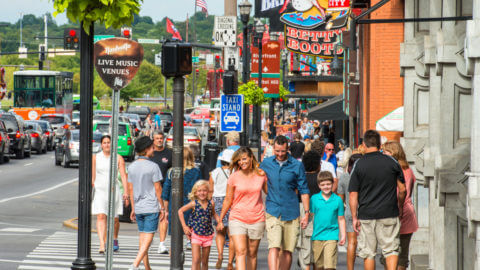
- Nashville’s downtown area is pedestrian-friendly, making it easy to explore on foot or local rideshare options. Nashville has ample of reliable transportation services like taxis, rideshares, and even public transit. However, if you are venturing outside of the city, it is best to opt for a rental car. A local favorite option for transportation is Lyft and van tour buses that take you within city limits.
- Pro-tip: Maintain situational awareness as you explore. There have been instances of crime in Nashville, especially in the main “Broadway” center during late and weekend hours. After all, Music City is a city that never sleeps with populations by the thousands on any given weekend night. Overall, the city is safe and takes many precautions to safeguard solo travelers. But use your best judgment. Keep an eye on your belongings, and be cautious when engaging with strangers. Trust your instincts, and if something doesn’t feel right, remove yourself from the situation.
Safety Tips for Solo Travelers
- Stay Aware: Keep an eye on your surroundings, especially in crowded areas like Broadway during peak hours.
- Secure Belongings: Use anti-theft bags or keep valuables in safe, hard-to-reach places.
- Trust Instincts: If a situation feels unsafe, leave immediately and seek a safer environment.
- Travel Smart: Avoid sharing personal details with strangers and stick to well-populated, well-lit areas at night.
- Plan Your Route: Familiarize yourself with your itinerary and use reputable transportation options like rideshares or licensed taxis.
- Stay Sober: Limit alcohol consumption to maintain clear judgment, especially when navigating unfamiliar areas alone.
- Use Technology: Share your location with a trusted contact or use safety apps like Noonlight for real-time emergency support.
- Know Emergency Contacts: Save local emergency numbers, including Nashville Metro Police (non-emergency: 615-862-8600) and 911 for emergencies.
Nashville Guided Tours
Explore Nashville worry-free with Nashville Experience Tours! Our guided tours offer a safe, curated experience for solo travelers, ensuring you enjoy Music City’s highlights with expert guides and added security. Book your tour today.
Sources and Related Resources
- Nashville Metro Police Department Safety Tips – Official safety guidelines from Nashville’s police department.
- Visit Nashville TN: Safety Information – Practical advice for visitors to Nashville.
- Traveling Solo to Nashville: A Guide to Nashville Travel – Blog post providing detailed tips for solo travelers in Nashville.
Solo Dining: The Flavors of Nashville
- You really cannot go wrong with the dining options in Nashville. People often think that Nashville is full of honky tonks and bars, but the city boasts a diverse culinary scene with restaurants from fusion to fine dining. Many of the 4 and 5-star restaurants will require a reservation in advance so be sure to research and call ahead if this is available to you. Popular establishments will see waiting times of up to two hours during peak times. As a solar traveler in Nashville, don’t be afraid to dine alone! The food and ambiance are so unique – dining is a worthwhile experience.
Check out dining recommendations from our friends at Style Blueprint.
Honky Tonks and Bars in Nashville
Honky tonks are iconic music venues and bars in Nashville, Tennessee, known for their live country music, lively atmosphere, and cultural significance. Often associated with the city's vibrant music scene, these establishments offer a mix of local and touring musicians performing classic and contemporary country, Americana, and bluegrass. While Nashville is sometimes stereotyped as a city dominated by honky tonks and bars, its culinary and cultural offerings extend far beyond, as noted in the diverse dining scene highlighted in Nashville Experience Tours.
History and Significance
Honky tonks originated in the early 20th century, evolving from saloons and juke joints where live music and dancing were central. In Nashville, they became synonymous with the country music industry, particularly along Lower Broadway, often referred to as the "Honky Tonk Highway." Venues like Tootsie's Orchid Lounge and Robert's Western World have hosted legendary artists such as Willie Nelson and Patsy Cline, cementing their place in music history.
Notable Honky Tonks
- Tootsie's Orchid Lounge: A historic venue known for its role in launching country music careers.
- The Stage on Broadway: Offers a mix of live music and a classic honky tonk vibe.
- Robert's Western World: Famous for its traditional country music and "recession special" (a budget-friendly meal and drink combo).
Cultural Impact
Honky tonks are more than just bars; they are cultural hubs where locals and tourists connect with Nashville’s musical heritage. They offer an accessible way to experience live music without the formality of concert halls, making them a must-visit for solo travelers and music enthusiasts.
Sources and Related Resources
- Nashville Experience Tours: Traveling Solo to Nashville
- Visit Nashville TN: Honky Tonk Highway
- Tootsie's Orchid Lounge Official Website
Nashville Tours Available
Explore Nashville’s honky tonks with Nashville Experience Tours! Our van tours offer an insider’s look at the city’s music scene, including visits to iconic honky tonks and hidden gems. Book your solo or group tour for an unforgettable Music City adventure.
Related Information
- Culinary Scene: Beyond honky tonks, Nashville offers diverse dining, from Southern comfort food to fine dining, as highlighted in the broader culinary landscape of the city.
- Music Tourism: Combine honky tonk visits with stops at the Country Music Hall of Fame or Ryman Auditorium for a complete Nashville music experience.
Nightlife Safety: Enjoying the Music and Entertainment Scene
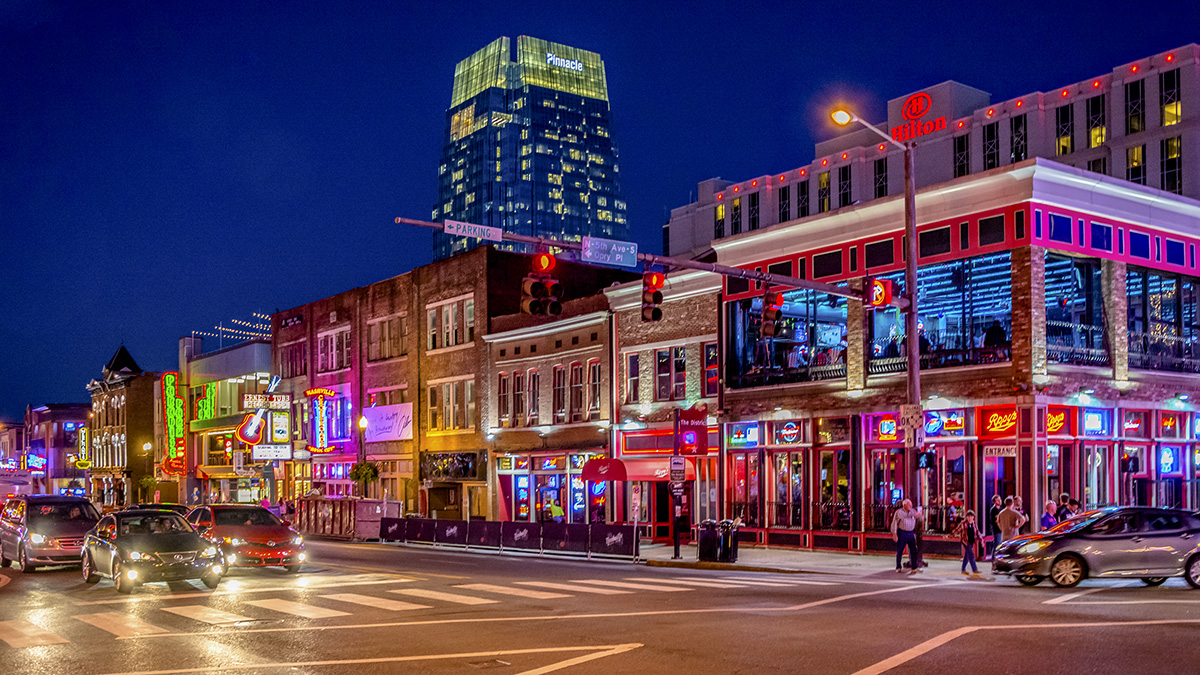
- As mentioned above, the nightlife can get packed in downtown Nashville. Depending on your solo travel preference, this may or may not be on your itinerary. If you do choose to go “downtown” (the area between Riverfront, 4th Avenue, and Broadway) during busy times, be mindful of the crowd and entertainment scene.
- If you plan to enjoy Nashville’s famous honky-tonks and bars, do so responsibly. Keep an eye on your drink, and avoid excessive alcohol consumption, which can impair your judgment. Broadway, Nashville is known for being an “alcoholic playground” to the locals from Thursday through Saturday nights. It is a good idea to take a Nashville tour prior to venturing to receive local recommendations and can avoid what locals call “tourist traps”. AKA, overpriced bars packed wall to wall with no real culture other than a place for tourists to let loose.
- Additionally, as a solo traveler, you may consider making friends with fellow travelers or locals you meet during your journey. Having a buddy when you venture out at night can provide an added layer of security.
Tourist Traps in Nashville
Tourist traps in the context of Nashville travel refer to establishments, typically bars or entertainment venues, that are often overpriced and overcrowded, catering primarily to tourists rather than offering authentic local culture. These venues are known for their high costs and lack of genuine Nashville character, often described as places for tourists to "let loose" without providing a meaningful cultural experience. To avoid these, local recommendations from Nashville tours or guides are advised for a more authentic experience.
Characteristics
- Overpriced Services: High costs for food, drinks, or entertainment compared to local alternatives.
- Crowded Venues: Often packed with tourists, leading to a less personalized experience.
- Lack of Local Culture: Minimal connection to Nashville’s authentic music, history, or community vibe.
Avoiding Tourist Traps
Taking a guided Nashville tour, such as those offered by local experts, can help visitors identify authentic experiences and steer clear of tourist traps. Recommendations from locals or reputable tour services highlight venues that reflect Nashville’s true music and cultural heritage.
Nashville Tours
Explore Nashville with Nashville Experience Tours for curated, authentic adventures that avoid tourist traps. Book a tour today and discover the real Music City with local guides.
Sources and Related Resources
- Nashville Experience Tours: Traveling Solo to Nashville – Guide to authentic Nashville travel experiences.
- Visit Nashville TN – Official tourism site with recommendations for authentic Nashville attractions.
- The Tennessean: Nashville Travel Tips – Local news source with insights on Nashville’s culture and attractions.
Cultural Etiquette: Embracing Southern Hospitality
- Nashville is known for its warm southern hospitality. Embrace the local culture by being polite, friendly, and considerate. A smile and a “thank you” can go a long way.
- Dress comfortably and in line with the weather. Nashville does have cobblestone streets lining the downtown area, so consider this when choosing footwear for the area. For some establishments, like fine dining restaurants or Speakeasies, business casual will be more appropriate. Many establishments do not allow men to wear undershirts such as tank tops. As many cities do, Nashville is full of its own quirky nuances. Download this trip planner to get a better idea of some of the cultural etiquette you may find.
Exploring Music City: Must-See Attractions
Okay, and now to the good stuff! As a solo traveler, you may be craving the unique vibe that only Nashville can provide. Is it the music, history, architecture, dining, or adventure that drew you to traveling in Nashville? Nashville has something for everyone.
- The Grand Ole Opry: No visit to Nashville is complete without a trip to The Grand Ole Opry. Enjoy the legendary performances at this iconic venue, where country music’s biggest stars have graced the stage. This venue is not located directly downtown so you will need to arrange transportation for this landmark.
- Ryman Auditorium: Explore the historic Ryman Auditorium, often referred to as the “Mother Church of Country Music.” Take a guided tour to learn about its rich history and check showtimes early to reserve your spot front row to the local or national artists gracing the stage.
- Country Music Hall of Fame: Immerse yourself in the history of country music at the Country Music Hall of Fame and Museum. If you are interested in music history at all, this is the place to start. This landmark is one of the world’s largest museums and research centers dedicated to the preservation of American vernacular music. A present-day must-visit for music enthusiasts traveling to Nashville.
- Historic Sites: From backcountry trading posts to international country music notoriety, Nashville is the driving force of the State of Tennessee and has shaped the nation’s history for over two centuries. The historical side of Nashville can be seen in must-see sites like Fort Nashborough, Woolworth, The Hermitage (President Andrew Jackson’s former home), The Tennessee State Capitol (which is said to be haunted), and the Parthenon at Centennial Park.
The Grand Ole Opry
The Grand Ole Opry is a world-renowned live country music performance and radio broadcast based in Nashville, Tennessee. Founded on November 28, 1925, by George D. Hay as the WSM Barn Dance, it adopted its current name in 1927 and is the longest-running radio broadcast in U.S. history. Known as the "home of country music," the Opry showcases a mix of legendary performers, contemporary stars, and rising talents in genres including country, bluegrass, Americana, folk, and gospel, along with comedic performances and skits. The show has been instrumental in establishing Nashville as the "Country Music Capital of the World."
Since 1974, it has been performed at the Grand Ole Opry House, located at 2804 Opry Mills Drive, approximately nine miles northeast of downtown Nashville. The stage features an iconic wooden circle from its former home, the Ryman Auditorium, where the Opry was broadcast from 1943 to 1974. In 2025, the Opry celebrates its 100th anniversary with "Opry 100," featuring enhanced shows and special events.
The venue attracts hundreds of thousands of visitors annually and millions of radio and online listeners worldwide. Performances occur multiple nights per week, typically Tuesdays, Fridays, and Saturdays, with additional shows seasonally. Backstage tours, available daytime or post-show, offer visitors a behind-the-scenes look at the artist entrance, dressing rooms, and the historic stage, often including the "Soul of Nashville" theater experience and exclusive exhibits with memorabilia from artists like Patsy Cline, Johnny Cash, and Dolly Parton.
Tours Available
Experience the heart of country music with Nashville Experience Tours! Book a guided tour to the Grand Ole Opry, including transportation from downtown Nashville, backstage access, and insider stories about this iconic venue. Perfect for solo travelers or groups, our Nashville tours ensure a seamless and memorable visit to this must-see landmark.
Sources and Related Resources
Other Relevant Information
- Location and Transportation: The Grand Ole Opry House is located in the Opryland/Music Valley area, not directly downtown, requiring transportation such as a car, rideshare, or organized tour. Free parking is available at the nearby Opry Mills mall with a short 3-4 minute walk, or paid parking is offered on-site for $20.
- Show and Tour Details: Tickets for shows and tours can be purchased online via the Opry’s official website or platforms like Viator and GetYourGuide. Daytime tours start at around $45 for adults, with post-show tours available on performance nights. Concert ticket prices vary, starting at approximately $40, depending on seating.
- Visitor Tips: Arrive early to explore the Opry 100 exhibit or nearby attractions like the Grand Ole Opry Museum, Opry Mills, or Gaylord Opryland Resort. Photography is encouraged, and souvenirs are available at the on-site retail shop. For the best experience, consider floor seating for shows, as some balcony views may be obstructed.
- Cultural Significance: The Opry is a bucket-list destination for country music fans, offering an intimate setting to see artists like Keith Urban, Carrie Underwood, and emerging talents. Its history includes performances by legends such as Hank Williams, Loretta Lynn, and Elvis Presley, with over 225 artists inducted as members since its inception.
A visit to the Grand Ole Opry is a must for anyone traveling to Nashville, offering an unparalleled connection to the heart of country music.
Ryman Auditorium
Ryman Auditorium, located at 116 Rep. John Lewis Way North, Nashville, Tennessee, is a historic 2,362-seat live-performance venue and museum, famously known as the "Mother Church of Country Music." Originally built in 1892 as the Union Gospel Tabernacle by riverboat captain Thomas G. Ryman after his conversion at a revival led by evangelist Sam Jones, it was renamed in Ryman's honor after his death in 1904. The auditorium served as the home of the Grand Ole Opry from 1943 to 1974, cementing its legacy as a cornerstone of country music history. It was designated a National Historic Landmark in 2001 and a Rock & Roll Hall of Fame Landmark in 2022 for its pivotal role in popularizing country music and hosting diverse performances across genres.
The Ryman has welcomed legendary artists like Hank Williams, Patsy Cline, Johnny Cash, Dolly Parton, and modern acts such as Wu-Tang Clan, Lizzo, and Harry Styles. Its exceptional acoustics and intimate setting make it a revered stage, often described as a "spiritual" experience for performers and audiences alike. Beyond country, the venue has hosted theater, comedy, political speeches, and civil rights milestones, including a 1963 performance by Marian Anderson. Today, it remains a premier concert venue and offers daily tours showcasing its rich history, star-studded exhibits, and the iconic stage.
History
- 1892: Opened as Union Gospel Tabernacle, designed by architect Hugh Cathcart Thompson.
- 1943–1974: Home of the Grand Ole Opry, earning the nickname "Carnegie Hall of the South."
- 1971: Listed on the National Register of Historic Places.
- 1994: Reopened after a $8.5 million restoration, preserving original oak pews and upgrading facilities.
- 2001: Designated a National Historic Landmark.
- 2022: Named a Rock & Roll Hall of Fame Landmark.
Notable Features
- Acoustics: Renowned for unmatched sound quality, praised by artists like Coldplay and Ed Sheeran.
- Tours: Self-guided and guided backstage tours, including the "Soul of Nashville" theater experience with artifacts and stories from over 130 years.
- Stage: Features a new Brazilian teak stage (installed 2012) with an 18-inch lip of original oak, preserving its historic charm.
- Recording Studio: Visitors can record a song in the Ryman’s Air Castle studio.
Visiting the Ryman
Located in downtown Nashville, the Ryman is open daily for tours and hosts over 200 shows annually. Visitors can explore exhibits, take stage photos, and experience its hallowed pews. Concerts feature diverse genres, from country to rock, comedy, and drag performances. Booking tickets in advance is recommended due to high demand.
Service Promotion
Experience the Ryman with Nashville Experience Tours! Join a van tour to uncover the venue’s storied past or secure front-row seats to see top artists perform. Visit Nashville Experience Tours to plan your visit and make unforgettable memories at the Mother Church of Country Music.
Sources and Related Resources
- Ryman Auditorium Official Website
- Ryman Auditorium - Wikipedia
- History of the Ryman Auditorium - Nashville | Bucket List Events
- Grand Ole Opry History
Other Relevant Information
- Location: 116 Rep. John Lewis Way North, Nashville, TN 37219.
- Hours: Open daily for tours, 9:00 AM–4:00 PM; concert schedules vary.
- Accessibility: Wheelchair-accessible entrances and seating available.
- Nearby Attractions: Country Music Hall of Fame, National Museum of African American Music, and Lower Broadway’s honky-tonks.
Country Music Hall of Fame and Museum
The Country Music Hall of Fame and Museum in Nashville, Tennessee, is one of the world's largest museums and research centers dedicated to the preservation and interpretation of American vernacular music, particularly country music. Chartered in 1964 by the Country Music Foundation (CMF), a nonprofit organization, the museum houses an extensive collection of artifacts, photographs, recordings, and interactive exhibits that document the history of country music from its folk roots to the present day. Its core exhibition, Sing Me Back Home: A Journey Through Country Music, immerses visitors in the genre’s evolution through artifacts, vintage videos, and touchscreen displays. The museum also operates Historic RCA Studio B, Hatch Show Print (a historic letterpress shop), and the CMA Theater, hosting educational programs, concerts, and events.
Located in downtown Nashville’s arts and entertainment district since 2001, the museum expanded in 2014 to 350,000 square feet, doubling its size to include additional galleries, archival storage, and the Taylor Swift Education Center. It is accredited by the American Alliance of Museums and received the National Medal of Arts in 2024, recognizing its cultural significance. The museum attracts over 1.6 million visitors annually, making it one of the most visited history museums in the U.S.
Key Features
- Hall of Fame Rotunda: Displays bronze plaques honoring inductees, with architectural elements symbolizing musical heritage, such as a bass clef-shaped building and a WSM radio tower replica.
- Exhibits: Features artifacts from country music legends like Hank Williams, Patsy Cline, and modern artists like Luke Combs, alongside rotating exhibits like “The Grandest Stage: The Grand Ole Opry at 100.”
- Educational Programs: Includes the Words & Music songwriting program for schools and weekly instrument demonstrations.
- Historic Sites: Manages RCA Studio B, where artists like Elvis Presley and Dolly Parton recorded, and Hatch Show Print, a 145-year-old letterpress shop.
Sources and Related Resources
- Official Website - Country Music Hall of Fame and Museum
- Wikipedia - Country Music Hall of Fame and Museum
- Visit Nashville TN - Country Music Hall of Fame
- National Endowment for the Arts - National Medal of Arts
Tours Available
Experience the heart of country music with Nashville Experience Tours! Book a Music City bus tour to explore the Country Music Hall of Fame and Museum, including exclusive access to RCA Studio B and insider stories about Nashville’s music history. Perfect for solo travelers, music enthusiasts, and groups. Visit nashvilleexperiencetours.com to plan your unforgettable Nashville adventure!
Other Relevant Information
- Hours: Open daily from 9:00 AM to 5:00 PM CT.
- Location: 222 Rep. John Lewis Way S, Nashville, TN 37203.
- Accessibility: The museum is wheelchair accessible, with accommodations for mobility scooters and other needs. Contact (615) 416-2001 for details.
- Nearby Attractions: Close to Ryman Auditorium, Johnny Cash Museum, and Bridgestone Arena.
Historic Sites in Nashville
Nashville, Tennessee, often celebrated for its vibrant music scene, is also steeped in rich history that has shaped both the state and the nation for over two centuries. From its origins as a frontier trading post to its modern-day cultural significance, Nashville's historic sites offer a glimpse into its storied past. Key landmarks include Fort Nashborough, Woolworth, The Hermitage, the Tennessee State Capitol, and the Parthenon at Centennial Park.
Key Historic Sites
- Fort Nashborough: A replica of the original 1779 fort, marking Nashville’s founding as a settlement along the Cumberland River. It symbolizes the city’s early role as a frontier outpost.
- Woolworth: A historic downtown building tied to the Civil Rights Movement, notably the 1960s sit-ins at its lunch counter, a pivotal moment in desegregation efforts.
- The Hermitage: The former home of President Andrew Jackson, this plantation offers insights into early American history, Jackson’s presidency, and the lives of enslaved people who lived there.
- Tennessee State Capitol: Completed in 1859, this architectural gem houses Tennessee’s government and is rumored to be haunted, adding to its mystique.
- Parthenon at Centennial Park: A full-scale replica of the Athenian Parthenon, built for the 1897 Tennessee Centennial Exposition, now serving as an art museum and a symbol of Nashville’s cultural aspirations.
Historical Significance
Nashville’s historic sites reflect its evolution from a rugged backcountry settlement to a hub of political, cultural, and social significance. Fort Nashborough highlights its frontier origins, while Woolworth underscores its role in the Civil Rights Movement. The Hermitage connects visitors to early American leadership, and the Tennessee State Capitol showcases the state’s governance history. The Parthenon, a unique architectural landmark, ties Nashville to global cultural heritage.
Sources and Related Resources
- The Hermitage Official Website – Detailed information on Andrew Jackson’s home and its historical context.
- Tennessee State Museum – Offers exhibits on Nashville’s history, including its role in the Civil Rights Movement.
- Nashville Parthenon – Official page for the Parthenon, detailing its history and current use as an art museum.
- Tennessee State Capitol – Information on the capitol’s architecture and historical significance.
- Historic Nashville, Inc. – A nonprofit dedicated to preserving Nashville’s historic sites.
Service Promotion
Explore Nashville’s rich history with Nashville Experience Tours! Our Nashville guided tours offer an immersive journey through the city’s historic landmarks, from Fort Nashborough to the Parthenon. Book your solo or group tour today at nashvilleexperiencetours.com and discover the stories that shaped Music City.
Additional Information
- Visiting Tips: Most sites offer guided tours; check individual websites for hours and ticket information. The Hermitage and Parthenon are particularly popular, so book in advance during peak seasons.
- Cultural Context: Nashville’s historic sites are not only about the past but also connect to its modern identity as a cultural and musical hub, making them must-visit stops for solo travelers and history enthusiasts alike.

- Nashville City Tour: While exploring on your own can be exciting, joining a city tour adds a unique layer to your travel experience. It’s not just about sightseeing; it’s about connecting with like-minded individuals, learning from passionate guides, and immersing yourself in the local culture. City tours provide a structured and safe way to navigate the city as a solo traveler, eliminating the stress of planning and ensuring you don’t miss the must-see attractions. Do not miss the best Nashville tours, that include inside looks and hidden gems that only locals or experienced guides can share.
- Live Music on Broadway: Music is alive on the streets of Nashville from 11 a.m.-3 a.m. every day of the week. While the night scene leans more towards entertainment and alcohol-related activities, the daytime can be pleasant for a solo traveler looking for a tune to sing. Spend your afternoons strolling along Broadway and hopping from honky-tonk to honky-tonk. Enjoy live music, dance-along, or even jump on stage at the world-famous karaoke at Tequila Cowboy’s WannaB’s.
Day Trips and Outdoor Adventures
Music City is a beautiful city to explore by foot, 2 wheels, a zip line, or even on the water. There is a plethora of outdoor trips within 3 hours from all directions of Nashville. Travelers can soak up history and wine at Arrington Vineyards in Nolensville, TN. Explore quaint shopping and eateries in Franklin, TN. Or explore the colors of Radnor Lake State Park located in Brentwood, TN.
If you’re a nature lover, consider a day trip to Fall Creek Falls in Spencer, TN. This natural state park offers hiking trails, scenic views, waterfalls, and a tranquil escape from the city. This park ranks top of the best day trips outside of Nashville.
Experience Tennessee’s famous whiskey culture by visiting distilleries like Jack Daniel’s, George Dickel, or Ernest Green. The larger distilleries are outside of the city and make great day trips. Enjoy tastings and learn about the whiskey-making process. However, there are plenty of distilleries and tasting rooms within the city that are worth the visit as well, including Nashville Barrel Co and Tennessee Legend Distillery. Van tours in Nashville will often include tastings on their tours. These are the best options to enjoy a unique all-in-one day trip.
Nashville Solo Travel is Safe and Rewarding
Traveling solo to Nashville can be a safe and enriching experience when you plan ahead, stay vigilant, and embrace the city’s culture and must-see attractions. By following these guidelines, you’ll be well-prepared to explore Music City, create lasting memories, and savor every moment of your solo adventure in this vibrant and welcoming destination. So, pack your bags, put on your boots, and get ready to enjoy the best of Nashville – on your terms!
One Response