
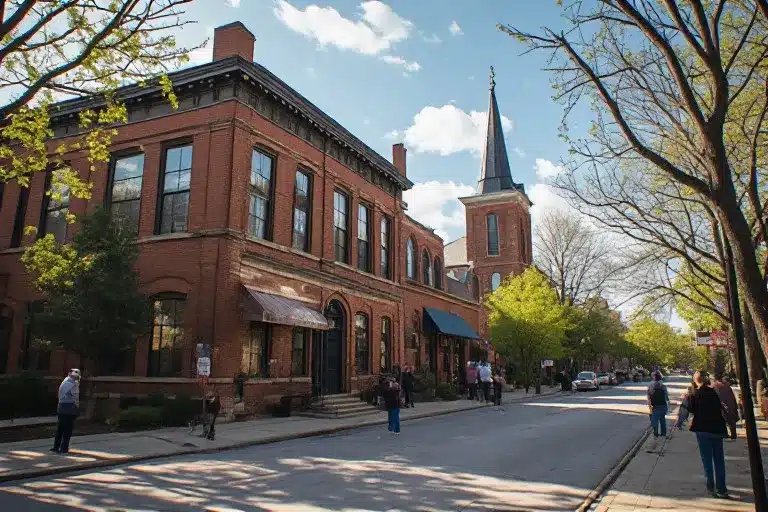
Nashville may be famous for country music, honky-tonks, and historic landmarks, but its streets also reveal another side of the city’s creative identity. Murals appear on building walls, beside local businesses, along side streets, and throughout neighborhoods where artists have transformed ordinary surfaces into colorful public art.
Exploring murals on foot allows you to notice details that are easy to miss while driving. A downtown Nashville walking tour can combine street art with historic architecture, music landmarks, local businesses, and unexpected photo opportunities, turning the walk itself into part of the experience.
Why Explore Nashville Murals on Foot?
Walking gives you the freedom to slow down and examine artwork from different perspectives.
Instead of passing a mural through a vehicle window, you can study its colors, composition, surroundings, and relationship with the neighborhood.
Murals Encourage You to Look Beyond Major Attractions
Visitors naturally gravitate toward Nashville’s famous landmarks.
Street art encourages a different kind of exploration.
While searching for murals, you may also discover:
- Historic buildings
- Independent businesses
- Interesting alleyways
- Architectural details
- Neighborhood restaurants
- Public spaces
- Music-related landmarks
- Smaller pieces of street art
The search itself can reveal parts of Nashville you might otherwise overlook.
Downtown Nashville Has More Than Neon Signs
Lower Broadway receives much of the attention downtown, but Nashville’s visual character extends beyond its famous neon signs.
Side streets, building walls, alleys, and nearby districts can contain artwork that adds another layer to the cityscape.
Look Away From the Main Streets
Some of the most interesting discoveries happen when you pay attention to the spaces between major attractions.
Instead of walking directly from one landmark to another, look along side streets and building walls as you move through downtown.
Public art can appear where you least expect it.
Start Around the Downtown Core
Downtown provides a practical starting point because many attractions are concentrated within a relatively compact area.
You can combine mural hunting with Nashville’s music, architectural, and cultural landmarks.
Let the Artwork Complement the History
A mural does not need to be historically old to belong on a history-focused walk.
Contemporary public art shows how Nashville continues to develop its visual identity.
Photographing modern murals alongside older architecture can highlight the contrast between different periods of the city.
Explore the Streets Around Lower Broadway
Broadway is visually intense even without murals.
Historic buildings, colorful signs, entertainment venues, crowds, and live music create a constantly changing streetscape.
Moving away from the busiest blocks can reveal quieter visual details.
Look at Entire Building Facades
Do not search only for large paintings.
Artwork may occupy a smaller section of a wall, doorway, storefront, or other architectural surface.
Train yourself to scan entire buildings rather than looking only at eye level.
Search Nashville’s Side Streets
Side streets can provide some of the most enjoyable moments during a mural walk.
They often have fewer visual distractions than major commercial corridors, making individual pieces of art easier to appreciate and photograph.
Slow Down
Mural hunting rewards patience.
If you walk too quickly, you may pass smaller pieces without noticing them.
Give yourself enough time to examine walls, corners, parking areas, and the sides of buildings visible from public spaces.
Printer’s Alley Adds a Different Visual Style
Printer’s Alley is already one of Downtown Nashville’s most visually distinctive passages.
Signs, brickwork, lighting, doors, historic buildings, and entertainment venues create a setting that feels different from the broader streets nearby.
Photograph More Than Murals
A street-art walk does not need to consist entirely of painted walls.
Printer’s Alley can add texture and variety to your photographs through:
- Historic brick
- Signs
- Doorways
- Narrow perspectives
- Lighting
- Architectural details
- Entertainment imagery
These elements can complement mural photographs within the same walking route.
Public Art Can Change Over Time
One important thing to understand about mural hunting is that public art is not necessarily permanent.
A mural you saw online several years ago may have been repainted, covered, altered, or removed.
Verify Specific Murals Before Your Visit
If seeing one particular mural is important to you, check its current status and location before building an itinerary around it.
Business changes, redevelopment, construction, and new artwork can alter the street-art landscape.
This uncertainty is also part of what makes exploring murals interesting.
Murals Can Tell Neighborhood Stories
Some public art is primarily decorative, while other pieces connect with community identity, local people, cultural movements, music, history, or social themes.
Understanding that context can make the artwork more meaningful.
Look for Information About the Artist
When available, look for:
- Artist names
- Signatures
- Plaques
- Business information
- Project descriptions
- Community organizations
- Dates
Knowing who created a mural can turn a quick photograph into a deeper cultural discovery.
Look for Music-Inspired Murals
Music naturally appears throughout Nashville’s visual culture.
Murals may reference musicians, instruments, lyrics, genres, venues, or the broader identity of Music City.
Connect Visual Art With Music History
A music-related mural can become a starting point for learning more about Nashville.
Ask what the artwork represents and why that person, instrument, or musical idea matters to the city.
This approach adds context beyond simply using the mural as a photo background.
Explore Murals Beyond Downtown
Visitors interested in street art should not limit themselves exclusively to the downtown core.
Several Nashville neighborhoods have developed recognizable public-art scenes.
Transportation may be necessary between districts, but once you arrive, individual areas can be explored on foot.
12 South Is Known for Colorful Photo Stops
12 South has become a popular neighborhood for visitors interested in murals, local businesses, restaurants, and walkable streets.
Its public art contributes to the neighborhood’s visual appeal.
Combine Murals With Neighborhood Exploration
Instead of arriving only for a photograph and immediately leaving, spend time exploring the surrounding area.
Look at storefronts, architecture, public spaces, and other artwork nearby.
This provides more context for the mural and a better sense of the neighborhood.
The “I Believe in Nashville” Mural
One of Nashville’s widely recognized mural designs is the “I Believe in Nashville” artwork associated with artist Adrien Saporiti.
Its simple graphic design became strongly associated with Nashville imagery and visitor photography.
Expect Popular Murals to Attract Visitors
Well-known murals may have people waiting to take photographs.
Be patient, avoid blocking pedestrian movement, and allow other visitors time to get their pictures.
A little courtesy keeps popular photo locations enjoyable for everyone.
The “What Lifts You” Wings
Kelsey Montague’s wing imagery has become another widely photographed piece associated with Nashville’s mural scene.
Interactive artwork like this is designed in a way that allows the person being photographed to become part of the composition.
Think About Your Composition Before Your Turn
If other people are waiting, decide how you want to frame your photograph before stepping into position.
This keeps the line moving and gives you a better chance of getting the image you want quickly.
The Gulch Offers a Different Urban Setting
The Gulch combines modern development, restaurants, businesses, and public art within a more contemporary urban environment.
Its visual character contrasts with Nashville’s historic downtown streets.
Compare Old and New Nashville
Photographers can use different neighborhoods to document how Nashville changes from one district to another.
Historic brick buildings, contemporary developments, murals, signs, and streetscapes can tell different parts of the city’s story.
East Nashville Rewards Slower Exploration
East Nashville is another area where visitors may encounter public art alongside local businesses, residential architecture, restaurants, and neighborhood streets.
Because the district is broader than a single compact visitor corridor, it helps to select a specific area before beginning your walk.
Treat Murals as Part of the Neighborhood
Avoid approaching a neighborhood solely as a collection of Instagram backgrounds.
Notice the businesses, homes, public spaces, and people around the artwork.
Murals often make more sense when viewed as part of the environment where they were created.
Murals Make Excellent Photography Stops
Public art naturally attracts photographers because murals provide color, scale, patterns, and recognizable backgrounds.
You do not need professional equipment to create memorable photographs.
Take a Wide Photograph First
A wider composition shows the mural in its environment.
This can document the neighborhood, building, sidewalk, and surrounding architecture.
Afterward, move closer for details.
Photograph the Details
Large murals often contain smaller elements that disappear when the entire wall is photographed from a distance.
Look for brushwork, textures, signatures, color transitions, lettering, and smaller illustrations.
Create a Visual Story
Instead of taking one photograph at each mural, try capturing:
- The entire artwork
- A medium-distance composition
- Small details
- The surrounding street
- Your group with the mural
- Nearby architecture
Together, these photographs create a better record of the experience.
Morning Can Be Useful for Mural Photography
Lighting and crowds can influence how easy a mural is to photograph.
Earlier hours may provide quieter conditions at some locations.
Pay Attention to the Direction of Light
A mural in direct midday sunlight may look very different from the same artwork in softer morning or evening light.
Shadows from buildings can also affect portions of a large wall.
If photography is a priority, observe how light falls across the artwork.
Cloudy Weather Can Work Well
Bright sunshine is not always necessary for good mural photography.
Cloud cover can create softer, more even lighting and reduce harsh shadows.
Rain Can Add Reflections
After rainfall, wet streets and sidewalks may create reflections that add another element to street photography.
Protect your phone or camera and remain cautious on slippery surfaces.
Do Not Step Into Traffic for a Photograph
Some artwork may be easier to frame from across a street.
Always use safe pedestrian areas and legal crossings rather than stepping into traffic to improve a composition.
Safety Is More Important Than the Perfect Angle
Remain aware of:
- Vehicles
- Bicycles
- Scooters
- Driveways
- Parking areas
- Street crossings
- Construction
- Other pedestrians
Looking through a camera can narrow your awareness of what is happening around you.
Avoid Blocking Sidewalks
Popular murals can attract groups of visitors, particularly when the artwork is close to a busy commercial area.
Be aware of other pedestrians while waiting or taking photographs.
Move Equipment Out of the Way
Bags, tripods, and other photography equipment can become obstacles.
Keep your belongings close and avoid creating unnecessary congestion.
Respect Private Property
A mural being visible from the street does not automatically mean every nearby space is open to the public.
Some artwork appears on private businesses, walls, parking areas, or residential property.
Stay in Publicly Accessible Areas
Do not climb fences, enter restricted spaces, move business property, or trespass to get a better photograph.
Follow posted signs and respect the businesses and residents surrounding the artwork.
Support Businesses Around the Murals
Many murals are located beside restaurants, shops, cafes, and other local businesses.
Visitors often arrive, take photographs, and leave without noticing what surrounds the artwork.
Make the Stop Part of Your Visit
When appropriate, consider exploring nearby businesses.
A coffee, meal, or local purchase can turn a quick photo stop into a more meaningful neighborhood experience.
Be Respectful of the Artwork
Public art is meant to be seen, but visitors should avoid touching, climbing on, marking, or damaging murals.
Leave the Art as You Found It
Do not attach objects to painted surfaces or interfere with the surrounding property.
Responsible behavior helps preserve artwork for future visitors.
Look for Smaller Pieces
Large murals naturally receive the most attention online, but smaller artwork can be just as interesting.
Utility boxes, doors, narrow walls, and unexpected corners may contain creative work.
Hidden Art Rewards Observation
This is where walking becomes especially valuable.
A vehicle may pass a small artwork in seconds.
On foot, you have time to notice details and investigate visually interesting corners without rushing.
Turn Your Mural Walk Into a Scavenger Hunt
Families and groups can make street-art exploration more interactive by creating a simple challenge.
Rather than searching only for specific murals, look for themes and visual elements.
Try Finding
- A music-themed mural
- An animal
- A portrait
- Nashville lettering
- An instrument
- Abstract artwork
- A mural with bright colors
- A historic reference
- An artist’s signature
- A piece you did not expect to find
This works particularly well when traveling with children or groups of friends.
Combine Murals With Nashville Architecture
Street art and architecture can complement each other.
A mural painted on an older brick building tells a different visual story from artwork displayed against a modern development.
Include the Building in Your Photograph
Instead of cropping tightly around every mural, step back when possible.
Showing windows, brickwork, signs, sidewalks, and neighboring structures can provide useful context.
Add Historic Streets to Your Mural Route
A mural-focused walk can easily include some of Nashville’s historic streets and buildings.
This creates a broader experience than simply moving between photo opportunities.
Notice How the City Changes
As you walk, compare:
- Historic and modern buildings
- Entertainment districts and residential areas
- Public art and commercial signs
- Restored and redeveloped structures
- Busy streets and quieter side streets
These contrasts are part of Nashville’s evolving visual identity.
Wear Comfortable Walking Shoes
Searching for murals can involve more walking than expected.
A location that appears close on a map may require additional distance because of crossings, terrain, or the route between blocks.
Dress for the Weather
Wear clothing appropriate for the day’s conditions and bring water during warm weather.
Sun protection and a lightweight rain layer may also be useful depending on the forecast.
Comfort allows you to spend more time exploring.
Keep Your Phone Charged
Mural hunting can consume battery power quickly if you are constantly using your phone for photography, video, navigation, and research.
Carry a Portable Charger
A compact power bank can be useful during a longer walking day.
Save important locations before beginning your route in case you experience connectivity problems.
Do Not Try to See Every Nashville Mural in One Walk
Nashville’s public art is spread across multiple neighborhoods.
Attempting to connect distant mural locations entirely on foot can create an inefficient and exhausting itinerary.
Explore One Area at a Time
Choose a neighborhood or compact district and investigate it thoroughly.
Use transportation between distant areas when necessary, then resume walking once you reach the next neighborhood.
This approach leaves more time for actually enjoying the artwork.
Create a Downtown Nashville Mural Walk
A downtown-focused route can combine street art with architecture, entertainment history, and well-known Nashville landmarks.
The exact route should remain flexible because murals, construction, and pedestrian conditions can change.
Add Nearby Points of Interest
While searching for art, consider incorporating:
- Lower Broadway
- Second Avenue
- Printer’s Alley
- Public Square
- Historic churches
- Cumberland Riverfront
- Ryman Auditorium area
These stops keep the walk interesting even when a specific mural has changed or disappeared.
Use a Guided Tour for More Context
Finding a mural is easy when you already know its address.
Understanding the neighborhood around it can require more context.
A guide can help connect modern street art with Nashville’s broader history, architecture, music, and community development.
A Walking Tour Can Reveal Overlooked Details
During a downtown Nashville walking tour, visitors are naturally moving at a pace that encourages observation.
That makes it easier to notice murals, historic signs, unusual architecture, alleyways, and other details that can disappear when sightseeing by vehicle.
Remember That Nashville’s Art Scene Keeps Changing
One of the most interesting characteristics of street art is its impermanence.
New murals appear while older pieces may be altered or disappear as buildings and neighborhoods change.
Your Photographs Become a Record
A mural photograph is not simply a travel souvenir.
Over time, it may also become a record of what a Nashville street or neighborhood looked like during your visit.
That gives even casual travel photography historical value.
Frequently Asked Questions
Where can I find murals in Nashville?
Murals and public art can be found across several areas, including Downtown Nashville, 12 South, the Gulch, and East Nashville. Specific works can change, so verify current locations before traveling specifically to see one mural.
Can I walk between Nashville’s murals?
Some murals within the same district can be explored on foot. Murals across different neighborhoods may require transportation between areas because Nashville’s street art is spread throughout the city.
What are some well-known Nashville murals?
The “I Believe in Nashville” design and Kelsey Montague’s “What Lifts You” wings are among the works commonly associated with Nashville mural photography. Check current locations and access before visiting.
What is the best time to photograph Nashville murals?
Morning may provide fewer crowds at some locations, while the best lighting depends on the direction the mural faces and surrounding buildings. Cloudy conditions can also provide softer, more even light.
Are Nashville murals free to visit?
Many murals visible from public streets can be viewed without admission, but the surrounding property may be privately owned. Respect posted rules, business property, and access restrictions.
Can a downtown Nashville walking tour include murals?
Yes. A downtown walking route can combine public art with historic buildings, music landmarks, alleys, riverfront views, and other city sights. Exact mural locations should be checked because public art can change.
Searching for Nashville’s murals encourages you to pay attention to places between the city’s famous attractions. Painted walls, smaller artworks, historic brickwork, signs, neighborhood businesses, and unexpected details can turn an ordinary walk into a more visual exploration of Music City.
A downtown Nashville walking tour provides a natural way to begin. Keep the route flexible, verify any must-see artwork before visiting, and leave time for discoveries that were never on your original list. Some of the most memorable street art may be the mural you were not specifically looking for.